 x
x

with top facilities and services
in the Mediterranean and Gulf region
on 2 continents
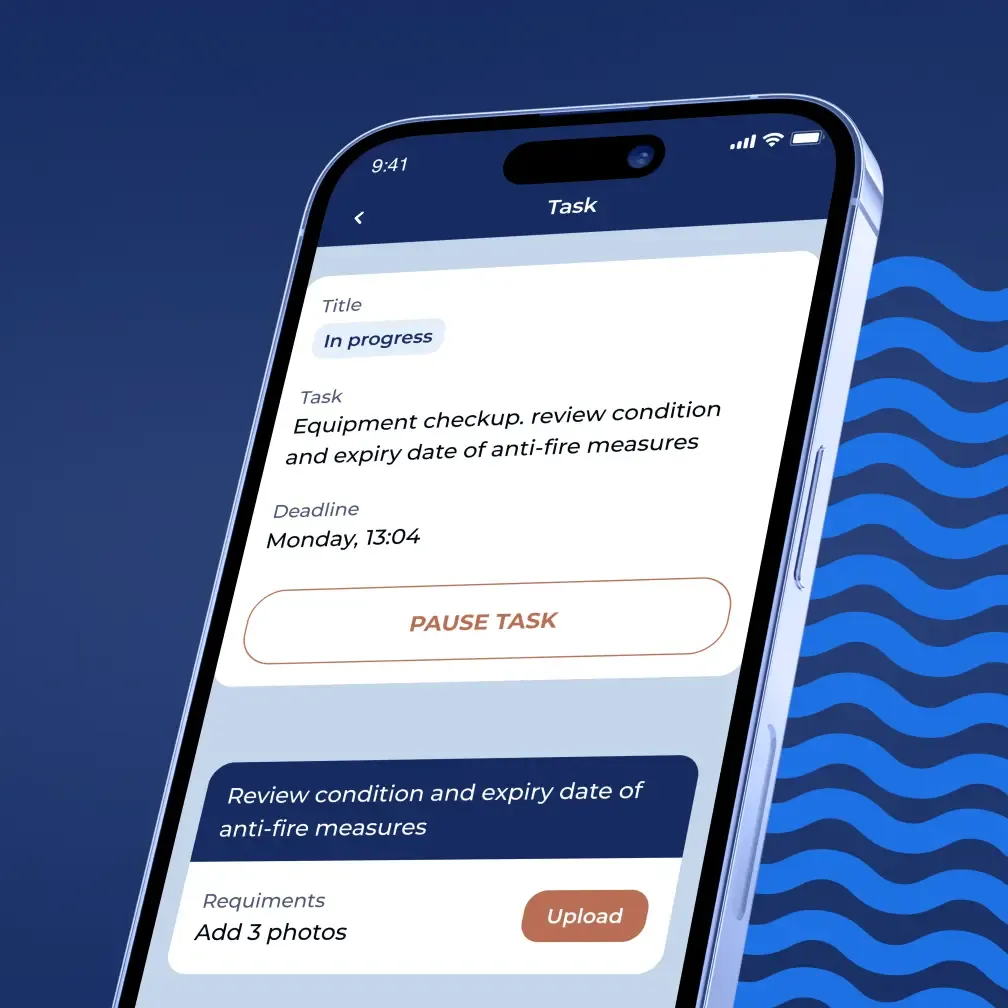
To become a truly digital company, D-Marin wanted to extend the benefits of technology to all stakeholders, including field workers who keep marinas operating and maintain Guests’ vessels.
The company planned to make their work easier by launching an enterprise mobile application, StarFlow.
Initially, Future Mind’s role was supposed to consist of integrating an external solution into our ecosystem of D-Marin services. However, as the vendor was failing to deliver results for many months, we took over the entire project.
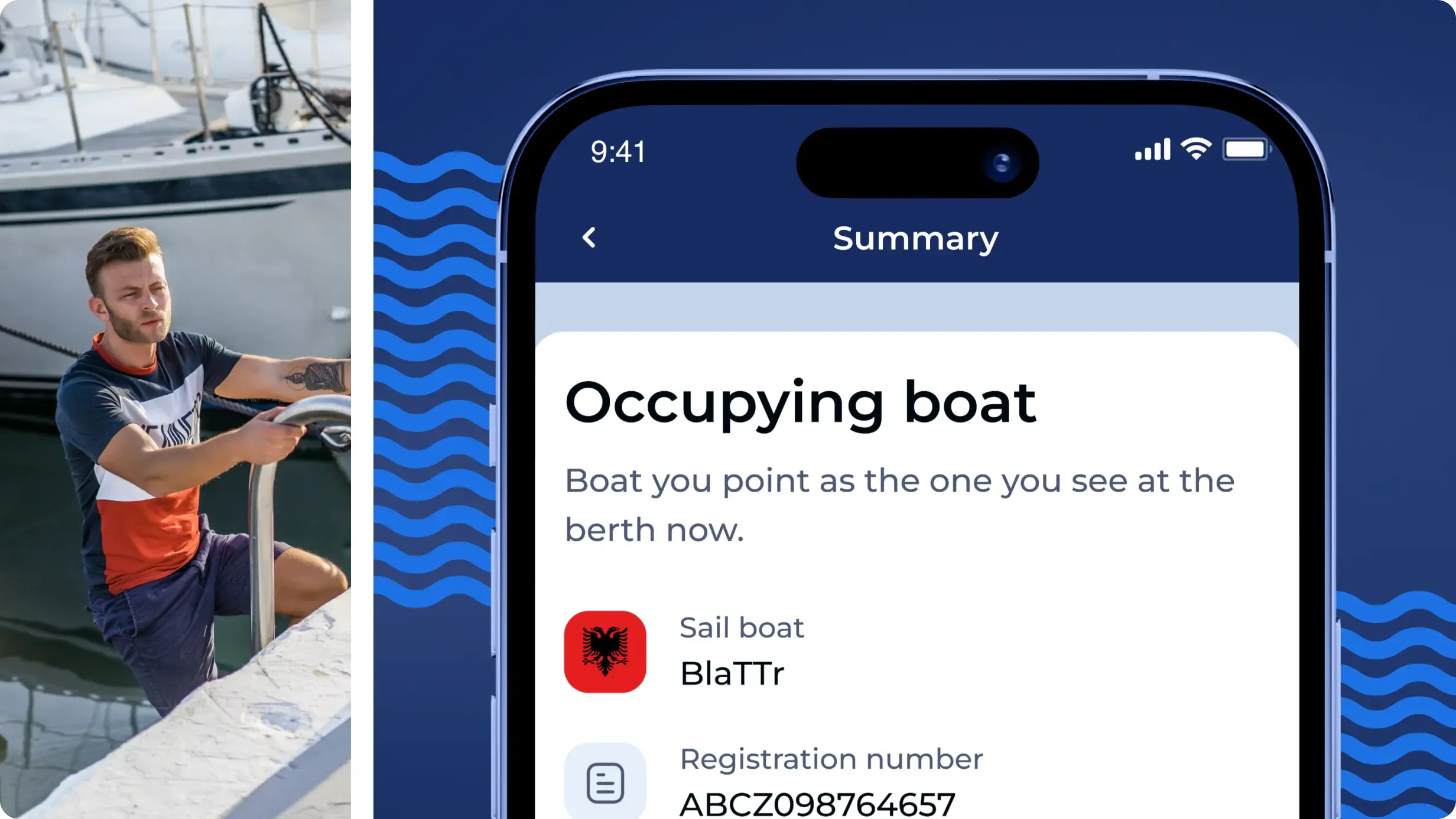
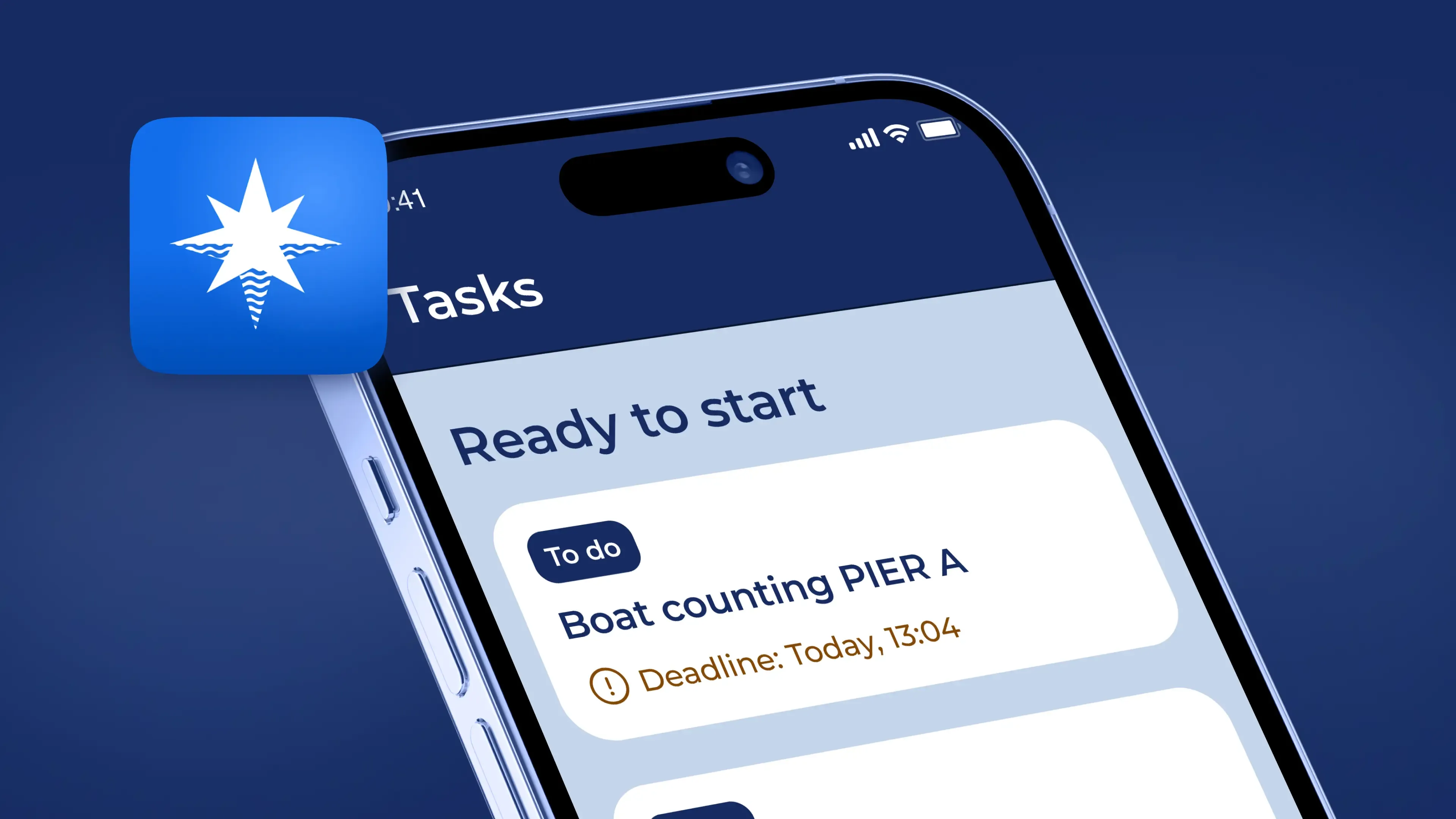
As the application would be used by D-Marin’s field workers on devices provided by the company, we would build the software for one system of the Client’s choice: Android. We started the project by analyzing the business requirements and studying the everyday reality of marina employees.
Based on the typical tasks that managers assign to field workers, we performed an iterative process of constructing high-fidelity mockups, collaborating with D-Marin to fine-tune the app concept. Throughout the process, we took into account that many of our future users were not technologically advanced and would need an extremely simple interface in a local language version.
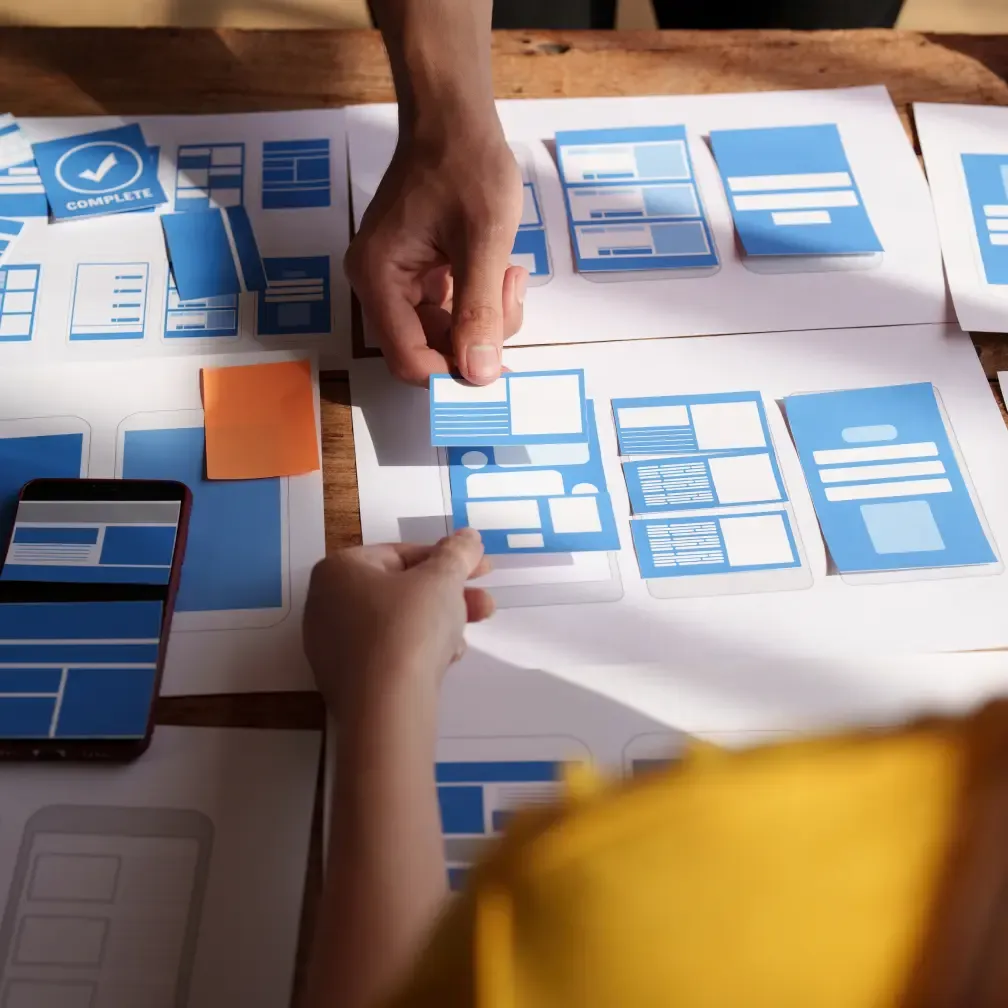
Thanks to the design system we had built for D-Marin, the product design phase was over in a flash, and our frontend developers could deliver milestones much faster by using pre-made code snippets of the necessary visual components.
We engineered the application by using Native Android technologies on the frontend and Node.JS on the backend for easy integration with the remaining systems.
D-Marin’s long-term guests receive smoke, bilge, heat, and battery sensors to equip their boats with. Their readings can always be displayed by boat owners on their D-Marin mobile apps.
In case an emergency is detected, e.g. the vessel is at risk of sinking, front office employees are informed and StarFlow will soon ensure an field worker is promptly directed to mitigate the situation.
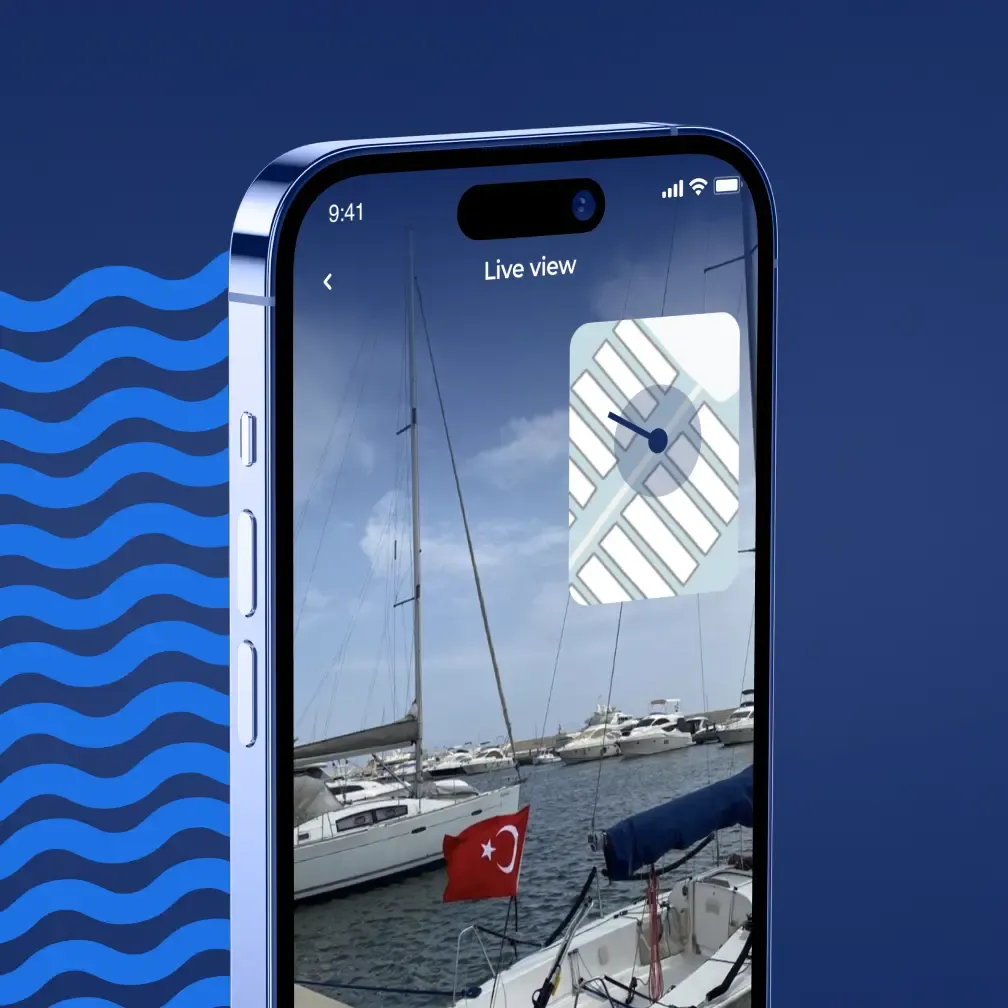
Once the feature has been released, employees will see what vessel should be present in each berth on their phone screens. This will make their daily boat counting rounds even easier.
It will be enough to compare the reality with the AR overlay by pointing the camera to each berth instead of manually marking incorrect boat placement in the app.
We work with the Client to ensure that employees know how to take full advantage of StarFlow.
Marina management is instructed how to assign tasks and control their completion within the system, while field workers learn how using the app will make their everyday responsibilities easier and quicker.
Future Mind has joined forces with D-Marin to digitalize everything about the marina industry.
Read More


From IoT sensors to AR boat counting — here's how it actually works.
The main challenges are interface simplicity, language localization, and change management. Field workers in industries like hospitality or marina operations are often uncomfortable with technology — so overly complex UIs lead to low adoption. Future Mind addressed this for D-Marin by designing StarFlow around actual worker tasks observed on-site, keeping the interface minimal, and organizing training workshops at each marina rollout to ensure real-world usage — not just deployment.
Digitalizing field worker operations in a marina requires a purpose-built enterprise mobile application that integrates with the marina management system, supports task assignment, and works reliably for employees who aren't tech-savvy. D-Marin partnered with Future Mind to build StarFlow — a native Android app that replaced paper-based workflows with digital task management, real-time checklists, and emergency dispatch. The key to adoption was designing an interface simple enough for non-technical users, available in local language versions.
Smart marina operators are increasingly deploying IoT sensors — smoke, heat, bilge, and battery monitors — installed directly on guests' vessels. These sensors stream real-time data to marina management systems. In D-Marin's case, Future Mind integrated this sensor network into the StarFlow app: when a vessel is at risk, an alert triggers automatically and the nearest field worker is dispatched via the app. This removes reliance on manual checks and significantly reduces emergency response time.
AR has direct applications in marina management, particularly for boat counting — a task field workers perform manually every day. By overlaying expected vessel locations on a live camera view, employees can instantly spot discrepancies without marking them manually in an app. Future Mind is currently conducting R&D to add this AR layer to StarFlow for D-Marin, turning a time-consuming routine into a quick visual scan.
Rescuing a failing software project requires quickly establishing what exists, what doesn't, and what can realistically be built in the remaining time. When D-Marin's enterprise app project stalled with an underperforming vendor, Future Mind performed a full scope takeover — analyzing business requirements from scratch, rebuilding the product design, and delivering StarFlow end-to-end in under 4 months. The key factors were clear scope ownership, a pre-built design system that accelerated UI delivery, and a single team responsible for both design and development.